
Whiskey Investment Trivia
Whiskey has long been the drink of refinement and culture but in more recent years, it has also emerged as a lucrative investment opportunity. While many enjoy the spirit for its rich flavours and craftsmanship, others are tapping into its potential to deliver impressive financial returns. This blog post takes a light-hearted yet informative look at whiskey investment trivia, sharing some facts and insights about a fascinating market that many now find appealing.
Whether you are a seasoned investor or a curious enthusiast, there is plenty to enjoy here. While whiskey investment is a serious business, there is no reason not to have a little fun along the way and that is our objective here.
We hope you enjoy reading this page.
A Liquid Goldmine | The Rise of Whiskey Investment
Did you know that whiskey has become a high-performing alternative choice for investment? According to the Knight Frank Luxury Investment Index, prices for whiskey have grown by over 500% in the last decade. This growth is largely driven by increased global demand, particularly in countries like China and India where whiskey investment has become the hallmark of prestige.
In the UK, Scottish single malts dominate the market with collectors targeting bottles from iconic distilleries such as Macallan, Glenfiddich and Bowmore.
Rare editions from closed distilleries (known as ghost distilleries) are especially prized, sometimes fetching hundreds of thousands of pounds at auction. If you are considering whiskey investment, these rare bottles are liquid gold.
Older Whiskey | A Historic Asset
Whiskey investment isn’t just about profit; it is also about owning a moment of history. One of the oldest known whiskeys, an Old Vatted Glenlivet from 1862, sold for over £110,000 at auction. Investing into vintage bottles can be akin to finding a time capsule. An alluring trait of whiskey storage and ownership is a glimpse into the production techniques and flavours of a bygone era.
Interestingly, older doesn’t always mean better when it comes to whiskey.
For investors, however, age often translates to high value. Limited production runs and well-documented provenance make historic bottles a cornerstone of a whiskey investment portfolio and, ultimately, much more desirable.
Whiskey Barrels | A Long-Term Investment
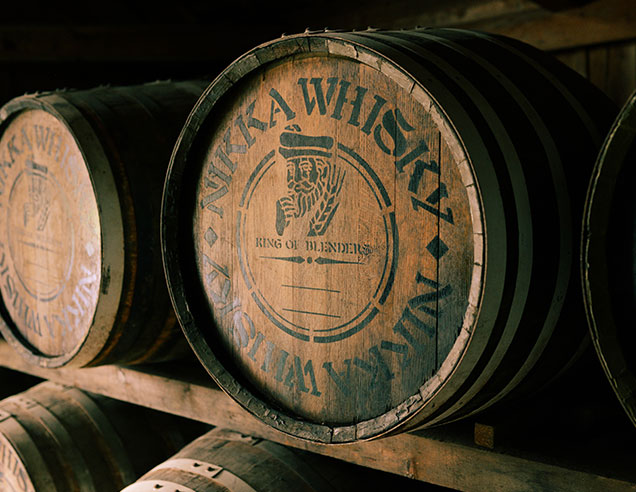
While most people focus on bottled whiskey, investing in casks is another way to enter the market. Whiskey barrels offer a long-term investment opportunity, as the spirit continues to mature while ageing in the cask. A bottled whiskey will stop evolving once sealed, but a cask whiskey can develop deeper and more complex flavours over time, potentially increasing its value significantly.
In the UK, companies specialising in cask whiskey investment have enjoyed a surge in interest. The allure lies in owning an entire cask which yields hundreds of bottles. Investors should be mindful of storage costs and taxes, which can affect overall returns and cause an investment portfolio’s value to fluctuate.

Fun Fact | Whiskey or Whisky?
Have you ever wondered about this possible spelling difference? In Scotland, Canada and Japan, it is "whisky" that is most often used while in Ireland and the United States, it is "whiskey” that is the preferred spelling. This distinction will often spark debate among enthusiasts, but there is no denying the global appeal of the spirit in all its forms – no matter what the etymology.
When investing, double-check the spelling on labels to ensure authenticity. As an example, Scotch whisky follows strict regulations and must be distilled and matured in Scotland to earn the name that so many are familiar with.
The Future of Whiskey Investment
The whiskey investment market continuously evolves with emerging trends like sustainability and innovation gaining traction in recent times. Some distilleries are experimenting with eco-friendly production methods, which may appeal to environmentally conscious investors. Meanwhile, digital platforms make it so much easier to buy, sell or trade whiskey globally. This has opened up new opportunities for collectors and whiskey investment enthusiasts alike.
With careful research and a touch of patience, whiskey investment can be as rewarding as it is enjoyable. Remember to seek advice and authenticate purchases to avoid counterfeits – a sadly common issue in a lucrative market.
Whiskey investment isn’t just about showing a profit; it is a historic journey into craftsmanship and culture. Whether you are drawn to rare bottles or intrigued by the long-term potential of cask ownership, there is never any shortage in the exciting opportunities available to you as a collector or as an investor.
Cheers to a future filled with both financial and flavourful rewards!